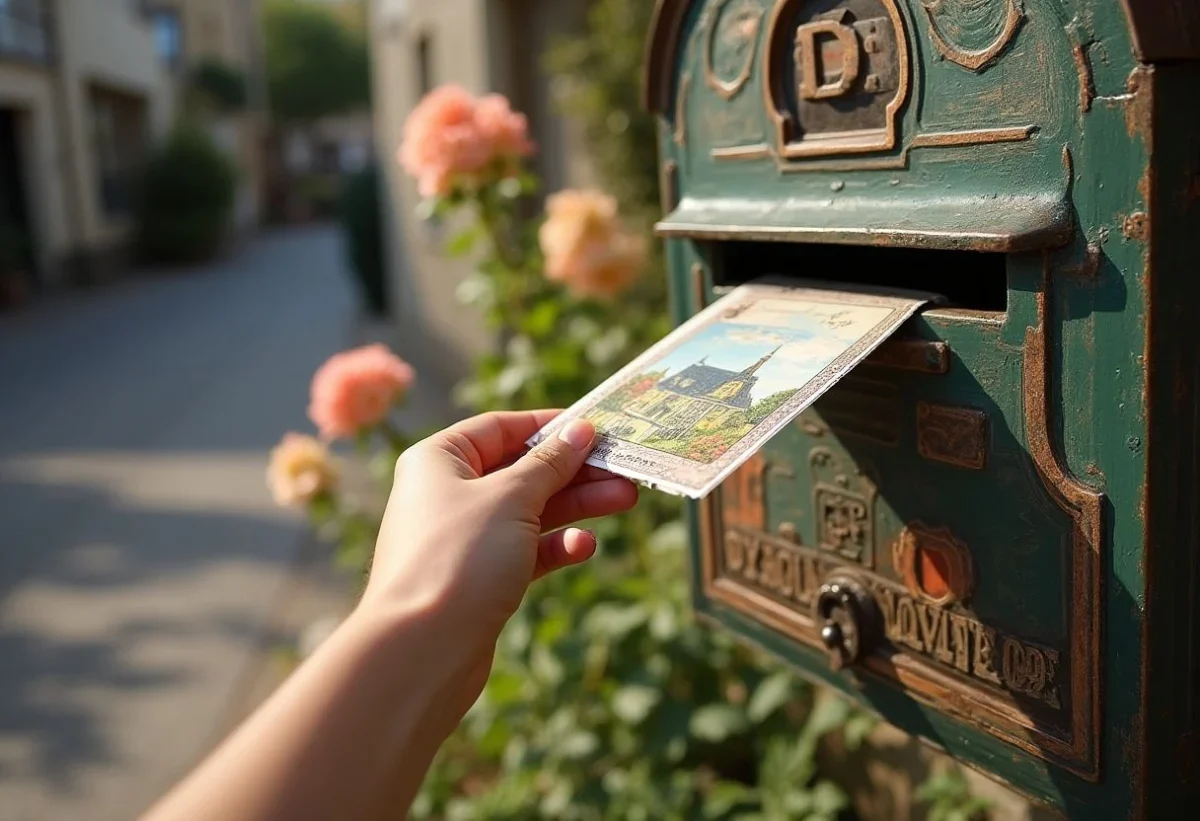
In a world dominated by instant digital communication, sending cards seems to belong to a bygone era, almost fossilized in the heart of our childhood memories. Yet, they are experiencing a true revival, captivating those who seek to reconnect with the authenticity and refinement that only handwritten correspondence can offer.
The Historical Origins of Sending Cards
Sending cards, although modern in their current design, have roots that plunge deep into a distant past where written communication served as the primary tool for exchanging ideas and feelings.
During Antiquity, messengers carried clay tablets and papyrus, testimonies of the earliest forms of correspondence. Over the centuries, these simple mediums evolved into more sophisticated parchments, reflecting the importance of written communication in human relationships.
- Renaissance: This period marks an explosion of art and culture where sending cards became a favored means for the elites to exchange philosophical thoughts and literary works.
- Victorian Era: Introduction of greeting cards, adorned with delicate patterns and often scented, they became a symbol of elegance and good taste.
- 20th Century: Postcards emerged, popularized by travel and tourism, offering glimpses of the world that amazed recipients and transformed the sending card into a window to elsewhere.
The Art of Correspondence: Why Send a Card Today?
While technology allows us to communicate at the speed of light, the choice to send a card carries a special meaning, blending tradition and personalization, and allowing one to stand out in the monotony of digital conversations.
Sending a card is to offer a piece of oneself; it is taking the time to choose the right paper, the right message, the right illustration. Each step of the process becomes an act of creation and reflection to show someone that they truly matter.
- Personalization: The power of handwritten words cannot be underestimated. They capture the essence of human emotions in a way that no electronic message can.
- Timelessness: Sending cards transcend time. Once received, they become tangible memories, treasures to be cherished.
- Aesthetics: Cards offer an unparalleled visual and tactile experience, each card becoming a complete work of art.
The Choice of Materials and Supports: Between Modernity and Tradition
The market for sending cards today boasts an impressive diversity, where traditional materials coexist with bold innovations, allowing everyone to find the ideal card for every occasion.
Recycled papers, plant-based inks, and handmade illustrations enrich the experience of correspondence. These choices reflect a return to the roots, valuing environmental respect while maintaining the elegance and refinement inherent to this art.
Creators compete in imagination to transform each card into a unique collectible item, playing with textures, colors, and shapes.
In summary, the sending card becomes a medium of artistic expression, combining visual beauty and personal significance.
The Perfect Occasions to Send a Card
Choosing to send a card to someone is not trivial. Each occasion becomes a celebration, each event a possibility to share precious moments in a tangible and memorable way.
Birthdays, weddings, and other traditional celebrations are ideal occasions to reconnect with this tradition. But every day can also become special thanks to a simple card. A thank-you card, a message of love or friendship, a celebration of a success, or simply the wish to warm someone’s heart are all reasons to take pen and paper.
By rediscovering the joy of sending cards, we revive a form of communication that is rich and authentic, creating memories that, like precious relics, transcend time and generations.