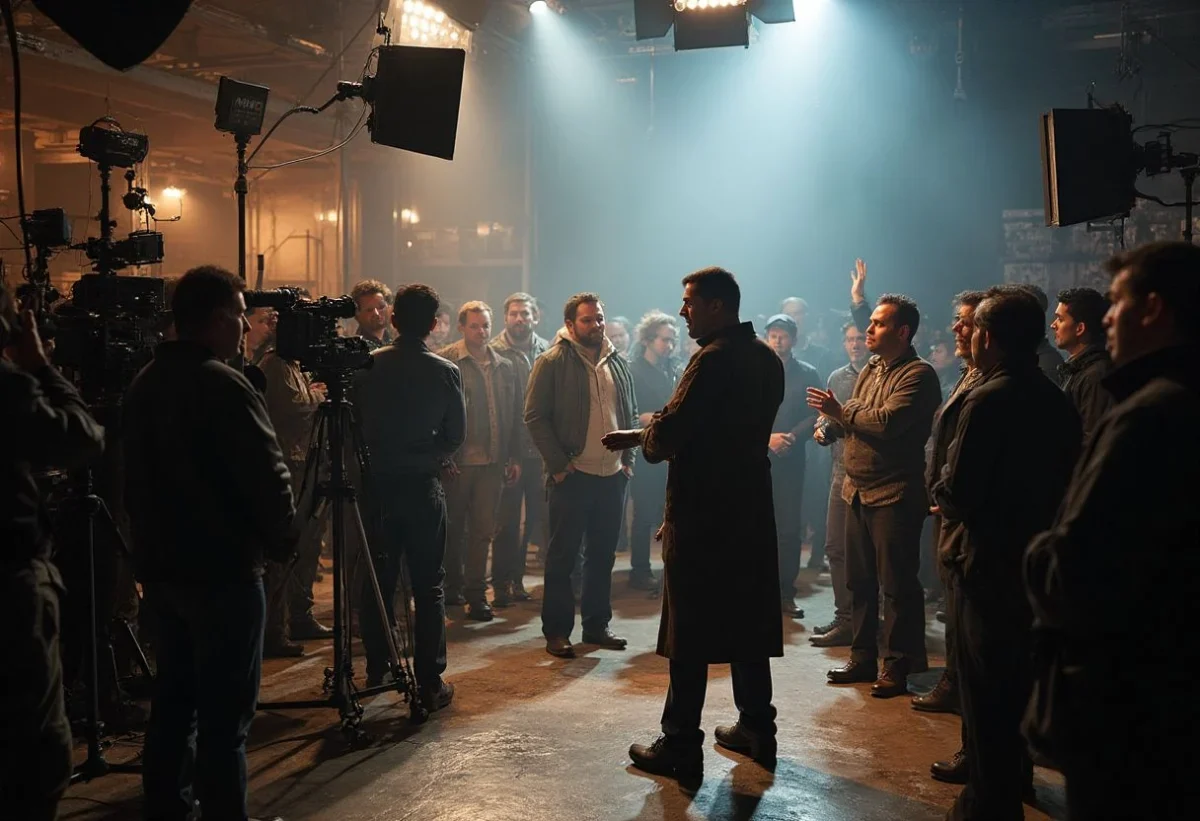
Cinema, this fascinating universe with multiple facets, attracts many enthusiasts eager to translate their stories, emotions, and visions of the world into images. The seventh art, while requiring overflowing creativity, also relies on technical mastery and rigorous know-how. Whether one aspires to be a director, screenwriter, cinematographer, or editor, Film Training appears to be the fundamental pillar for acquiring and developing these essential skills. By engaging in a training course, any budding filmmaker can hope to master the tools and techniques that will allow them to transform a simple idea into a captivating film. But how to choose the training that best suits their professional ambitions? What knowledge and skills will be developed there?
The Foundations of Cinematic Education
Cinematic education is vast and complex, encompassing a multitude of disciplines and skills to develop. It is essential to understand its ins and outs to make an informed choice.
A Film Training can begin with an introduction to the theoretical foundations of cinema. This includes the study of film history, cinematic language, and the great figures who have marked this art. Understanding the past is crucial for creating the future. An immersion in the classics of world cinema not only sharpens one’s critical eye but also provides the necessary inspiration for one’s own creative work. Simultaneously, learning screenwriting techniques is fundamental. Structuring captivating narratives, creating complex characters, and the art of dialogue are at the heart of this teaching.
Essential Technical Skills
The success of a cinematic project relies on impeccable technical mastery. Let’s break down the essential skills that training programs offer to future film professionals.
- Shooting and Framing: learning to handle a camera, choosing the right lens, and mastering the interplay of lights to capture images of exceptional quality.
- Editing and Post-Production: discovering editing software, understanding the rhythm of editing, and the art of transitioning between scenes.
- Sound and Music: understanding the importance of sound in cinema, from direct sound recording to sound mixing, not to mention composing impactful original music.
These technical know-how, combined with artistic sensitivity, are the cornerstones upon which every good film rests.
Training Paths and Educational Institutions
Faced with a diverse range of options, it is imperative to choose an institution that will meet your aspirations and professional needs. Various options are available to you, each with its own specificities.
Specialized schools like Fémis or École Louis-Lumière in France are renowned for the quality of their teaching. These institutions offer comprehensive programs ranging from directing to producing, including screenwriting. Universities also offer more general training with the possibility of specializing over the years. Private institutes, on the other hand, allow for intensive and often more targeted training.
The Importance of Networks and Professional Experiences
Beyond theoretical and technical knowledge, the world of cinema is a realm where networking plays an essential role. Building strong professional relationships is a crucial step.
Internships, collective projects, and film festivals are all opportunities to familiarize oneself with the professional environment. Working as a team on a film set allows one to understand the importance of each role and to gain invaluable practical experience. Participating in cinematic events offers the chance to meet professionals, exchange ideas, and learn directly from industry experts. These enriching experiences often provide the opportunity to find future collaborators and expand one’s network.
Film Training is an exciting adventure, rich in learning and encounters. It offers the necessary keys to immerse oneself in the universe of the seventh art and leave one’s mark. By wisely choosing their educational path, cultivating technical skills, and forging valuable connections within the industry, every aspiring filmmaker can hope to realize their dreams and make their mark in the history of cinema. The important thing is to remain curious, determined, and open to the opportunities that arise.