
Every human being has an endocannabinoid system, and CBD, better defined as cannabidiol, the main component of Cannabis sativa, acts indirectly on the receptors of this system.
In case of imbalance or decompensation in the endocannabinoid system, CBD helps restore the initial balance, which is why it is now easily used by everyone.
There are two legal ways to address this issue, depending on the pathologies and symptoms to be treated: medical cannabis and light cannabis, used according to the severity of the situation and the levels of THC aimed at making the treatment effective.
Wrongly, light cannabis is often associated with medical cannabis. However, between the two types, there are different differences, both in terms of composition, usage, and how the latter is regulated.
Now, cannabis is used more frequently for medical purposes, but the spread of over-the-counter products containing cannabidiol and low THC levels has increased the number of people using it to treat certain symptoms. This is why it has been necessary to clarify what is meant by light and medical cannabis.
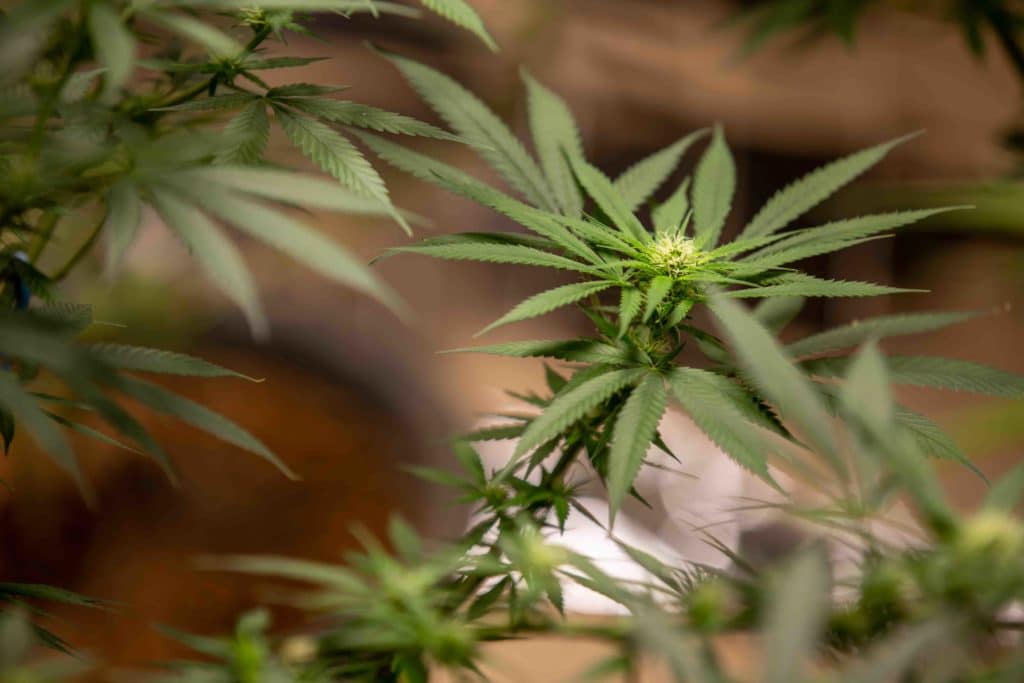
All these cannabinoid-based medications, which have been approved and developed in large numbers, define medical cannabis.
In order to define medical cannabis, the concentrations of the various active ingredients calculated must be contained in the medications with extreme precision.
Unlike light cannabis, medical cannabis differs in the amount of CBD and THC present, which makes therapeutic cannabis considered a medication, useful for symptoms such as vomiting, nausea, lack of appetite, but also for the control of certain forms of pain.
But this can only be achieved by absorbing precise concentrations of CBD and THC cannabis.
Now let’s analyze what we mean by light cannabis.
Light cannabis is nothing more than the wide range of preparations derived from dried flowers whose THC concentrations are between 0.2% and 0.6%, the adjective light should indeed indicate this very low concentration of this active ingredient that is then responsible for the psychotropic effects of cannabis.
To give an example of the difference between light cannabis and medical cannabis, Bedrocan, which is a cannabis-based medication, has a THC concentration of 22% compared to any light preparation that cannot contain THC higher than 0.06%.
In fact, light cannabis has no psychoactive effect since the quantities of THC are really controlled, to such an extent that it can be sold freely, unlike therapeutic THC, which can only be used and sold by prescription.
Different needs drive people to approach the world of cannabis. Certainly, those who approach medical cannabis are followed by medical support and the synergy that develops between the patient and the doctor, as the only figure authorized to prescribe therapy based on this substance, with high levels of THC.
In contrast, in the case of light cannabis, the consumer can use it as regular medical therapy or in their daily life, always being careful that the consumed product is certified and prepared according to strict criteria, which can guarantee the quality and proper concentration of THC, in order to avoid any potential side effects.
Tag : More info on CBD